The truck driving school you choose shapes your career for years to come. As you begin your CDL training, you should create a list of questions to ask before you commit to a school. You can ask these questions of an admissions rep, a current or former student, or even of yourself as you do research on the school.
Your CDL Training Needs
Virginia is home to many reputable CDL training facilities, but not all programs have the same strengths. Identify your most pressing needs and compare against the school’s strengths. How many of your most pressing needs do they meet?
Ask this:
- What type of CDL training do you offer: Class A, B, and/or C?
- How many students are there for each instructor?
- Does your school offer evening or weekend programs?
- Do you offer support for students who need additional help?
Truck Driving School Reputation, Safety & Student Support
A CDL school’s reputation tells you how students and former students regard the school, how safe its training environment is, and how much support you’ll get along the way. A safe, supportive learning environment helps students stay focused and motivated.
Ask this:
- How long has your school been training CDL students?
- Are your instructors experienced drivers with truck driving experience?
- Is your training program ELDT compliant?
- How flexible is the schedule if I have work or family responsibilities?
Equipment, Facilities & Training Environment
Good equipment, experienced trainers, and higher job placement rates are signs of a good truck driving program. Equipment quality affects comfort, safety, and job satisfaction.
Equipment questions also tell you whether you’ll operate newer models with modern safety features or older trucks that require more maintenance and may be out of sync with current technology.
Ask This:
- What types of trucks and trailers will I train on?
- Does your program cover different truck sizes and configurations?
- Will my truck have an air‑ride suspension system?
- Are your trucks manual, automatic, or do you have both?
- Do you train students on modern safety features and technology?
Driving Hours & Hands‑On Experience
Behind-the-wheel training is where students move from classroom knowledge to real-world driving skills. The time you spend in the truck, and the quality of that time, can be the difference between passing your CDL test confidently or struggling to meet the requirements.
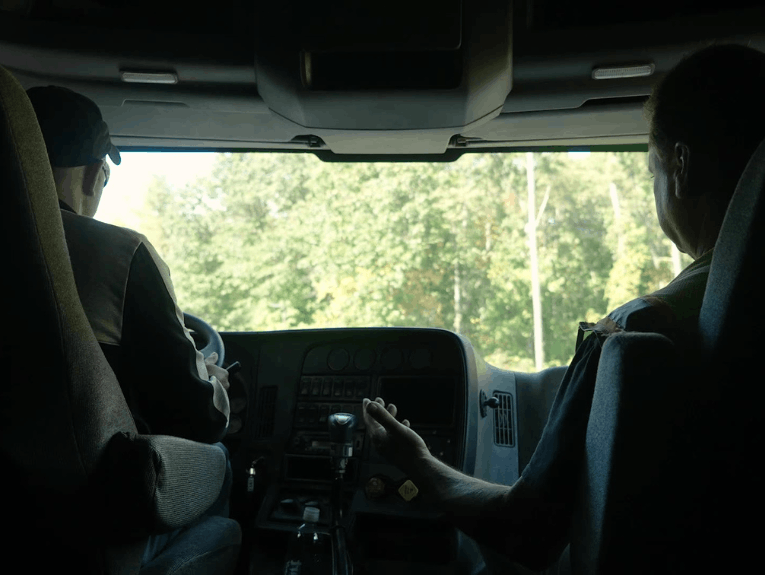
CDL schools will give you supervised driving hours to practice shifting, backing up, turning, and handling real-world truck-driving scenarios like lane changes, traffic stops, and vehicle inspections. Some programs also include basic maintenance training, so you know how to check your equipment and handle minor issues on the road.
More hands-on experience means more confidence and a smoother transition into your first trucking job.
Ask This:
- How many hours of behind‑the‑wheel driving will I get?
- How much time will I spend practicing backing maneuvers?
- Will I train on the same type of equipment I’ll use in my first job?
- Do you offer simulator training before students get into a truck?
Cost and Financial Aid Questions
Understanding the full cost for your CDL training program, and how you’ll be able to pay for it, is extremely important. Many students worry about tuition, but don’t realize that grants, workforce funding, and employer reimbursement programs can cover a large portion of their expenses.
These questions can help you reduce or avoid debt and start your career with confidence.
Ask This:
- What is the total cost of the CDL training program?
- Are grants, tuition assistance, payment plans. or WIOA funding available?
- Are there any additional fees I should expect (testing, permits, endorsements, retakes)?
Job Placement Support & Career Outcomes
Relationships with local and national carriers allow schools to bring recruiters to campus, help them get pre-hire letters, and offer coaching for applications and interviews.
Ask about job placement rates and which companies hire their graduates. A school with strong career outcomes will be proud to share that information and will help you feel confident about your future.
Ask this:
- How many of your graduates get hired after completing the program?
- Which local, regional, or national carriers hire your graduates?
- Do you help students get pre‑hire letters before training is complete?
- Do you offer help with applications, interviews, and recruiter connections?
Conclusion
Asking the right questions before enrolling in a CDL program can help you ensure you get the CDL training you need to start the career you want. Getting answers to these questions can make the difference between a smooth career launch and a frustrating experience full of bad surprises and disappointments.
Get answers about CDL training and job prospects in Virginia.
CDS Tractor Trailer Training can answer your CDL training questions and help you enroll in training immediately. Their experienced staff understands what matters most to new drivers.
FAQs
How do I compare different CDL training programs to find the best fit for my goals?
Look at each school’s:
- Program length
- Training style
- Equipment quality
- Student support services
- Graduation rates
- Student reviews
- Job placement outcomes
What should I expect during a typical week of CDL training?
Most CDL programs combine structured classroom instruction with hands‑on driving practice. As you progress, you’ll prepare for the permit test, skills test, and road test.
How do CDL schools help students transition into their first trucking job?
Many CDL schools offer job placement support, including:
- Recruiter visits
- Application help
- Connections with local and national carriers.
Schools with strong employer partnerships often have higher job placement rates and can guide you toward roles that match your preferred routes, schedules, and pay goals.
How can I tell if a CDL school has a good reputation and successful graduates?
Look for schools with:
- Experienced instructors
- Modern equipment
- Clear safety policies
- Positive student reviews
- High graduation rates and strong job placement outcomes.