CDL endorsements open doors to specialized positions that those with only a basic CDL cannot access. These additional qualifications let you operate specific vehicles and haul cargo types that standard CDL holders aren’t authorized to handle.
Drivers who want to level up their career pursue endorsements and pursue the higher-paying trucking jobs that come with them.
What are Endorsements?
CDL endorsements are special authorizations you can add to a CDL that permit drivers to operate specific types of vehicles or haul specialized cargo.
These cargo types must be handled differently than most loads, requiring additional skills, certifications or safety procedures, including for transporting people or hauling hazardous materials. You must pass additional tests and/or training to earn an endorsement.
Endorsements appear as letters printed on your CDL, indicating you are authorized to perform these driving tasks.
Truck Driving Endorsements: What Each Unlocks
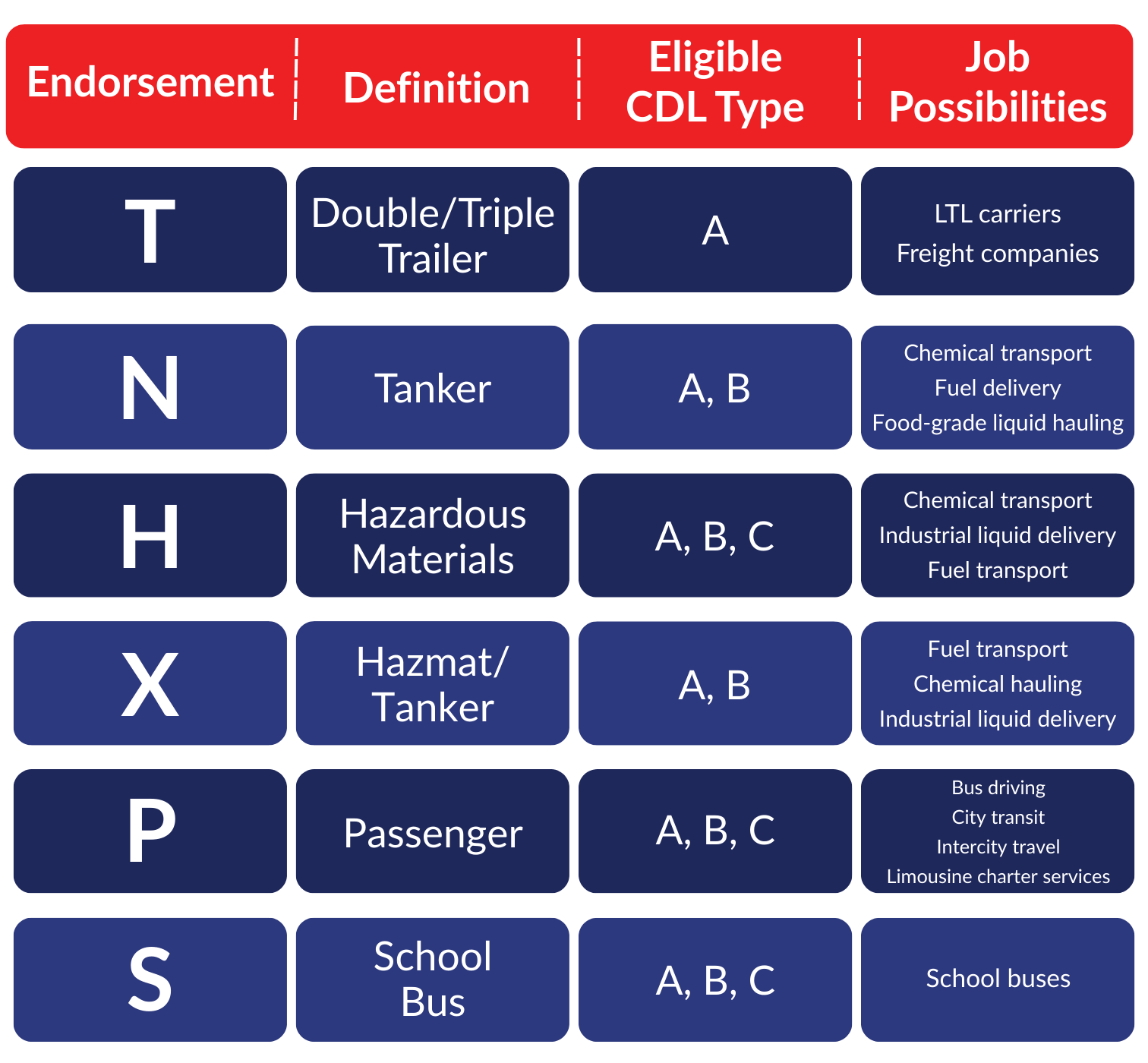
T Endorsement: Double and Triple Trailers
The T endorsement lets you pull 2 or 3 trailers at once. In Virginia, you only need to pass a written test; no driving exam is required. This endorsement works with Class A licenses and qualifies you for freight companies that need efficient cargo transport.
N Endorsement: Tanker Operations
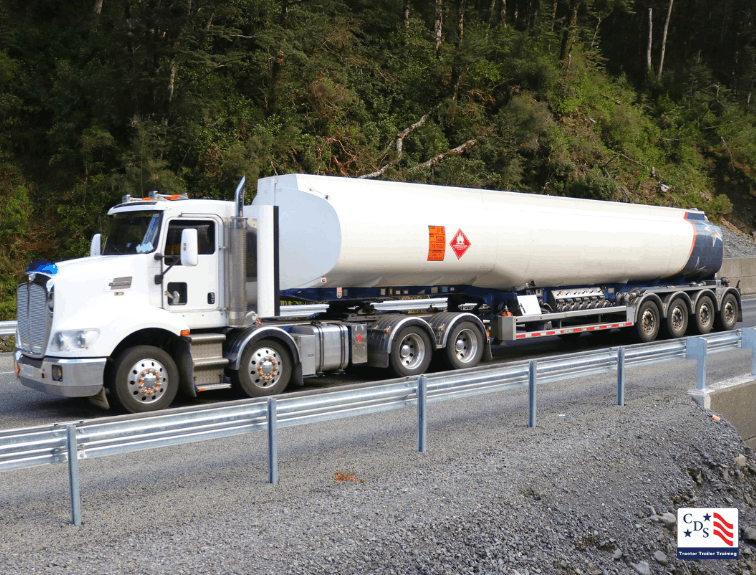
The N endorsement qualifies you to haul liquids and gases in tank vehicles. Any tank over 119 gallons individually, or combined tanks over 1,000 gallons, requires this endorsement.
H Endorsement: Hazardous Materials
The H endorsement authorizes you to transport hazardous materials (Hazmat) requiring placards. Before getting this endorsement, you must complete Entry Level Driver Training (ELDT), pass a written test, and complete a TSA background check. You’ll need to renew this endorsement with every CDL renewal.
X Endorsement: Hazmat Plus Tanker
The X endorsement combines hazmat and tanker qualifications. This dual certification appears when you hold both H and N endorsements simultaneously.
P Endorsement: Passenger Vehicles
Want to drive people instead of freight? The P endorsement authorizes you to operate vehicles carrying 16 or more passengers. This requires both written and driving tests in the actual vehicle type.
S Endorsement: School Bus Operations
The S endorsement qualifies you to transport students. This requires both written and driving tests, plus you need the P endorsement first—or you can apply for both together.
How CDL Endorsements Can Boost Your Career
Higher Pay for Specialized Driving Roles
Companies pay drivers premium rates if they can run routes that require endorsements. Endorsed drivers earn 15% to 35% more than their non-endorsed counterparts. X-endorsed drivers command top industry wages because they can handle the most specialized loads.
CDL Endorsements by License Type
Why Employers Want Endorsed Drivers
Companies hire endorsed drivers for a very practical reason: versatility. Drivers with endorsements can handle more and different kinds of assignments than drivers without them. When loads change or special cargo needs transport, endorsed drivers can do the jobs other drivers can’t.
Endorsements give drivers a competitive and financial advantage. While other candidates need months of additional training, an endorsed driver is ready to climb into the cab.
Each CDL endorsement allows you to haul specialized materials, or, under certain circumstances, to haul other types of cargo.
Getting a CDL Endorsement
The endorsement process follows a clear path. Each step builds toward expanding your career options.
Study for the Written Tests
Each endorsement requires you to pass a specific knowledge test at your state’s DMV. The Virginia State CDL manual contains everything you need to know. Practice tests help identify areas that need more attention. Tests are given in English only.
The written exams focus on real-world situations you’ll face on the job. When you study pre-trip inspection procedures for tankers, you’re learning safety habits that make you valuable to employers.
Have a Completed ELDT-Compliant CDL Training Course
As with all new CDLs, you must have completed Entry-Level Driver Training (ELDT) training to have an endorsement for anyone who obtained their CDL after Feb. 2022.
ELDT can be obtained from FMCSA-registered providers from an ELDT-compliant CDL training program. Drivers who obtained a CDL before Feb. 2022 are exempt from this policy.
Complete Background Checks
Hazmat endorsements require fingerprinting and TSA security screening. This process takes 30-60 days to complete. The background check verifies you meet security standards for transporting hazardous materials.
You must also maintain a clean motor vehicle record (MVR).
Start this process early. You can study for the written test while your background check is being processed.
Take Skills Tests When Required
P and S endorsements require road tests in actual buses or school buses. These practical exams verify that you can safely operate passenger vehicles under real conditions.
Skills tests prove you can handle the responsibility. Passenger safety demands more than book knowledge.
Other endorsement types only require passing a written test.
Conclusion
Endorsements create new job possibilities that basic CDL holders can’t access. Some drivers focus on local passenger routes for consistent home time. Others pursue hazmat loads that command premium pay. The choice depends on what matters most for your situation.
The process takes effort and in some cases training, but Virginia’s commercial drivers who invest in additional qualifications consistently report better job opportunities and higher earnings. Companies actively seek endorsed drivers because these qualifications demonstrate commitment to professional growth.
Your CDL opened the door to commercial driving. Endorsements take your career even further.
Ready to explore which endorsements to add to your CDL? CDS Tractor Trailer Training can help you check your eligibility and understand the requirements for your target specializations.
FAQs
What are the most valuable CDL endorsements for career advancement?
The most valuable CDL endorsements often include Hazmat (H), Tanker (N), and their combination (X). These endorsements can significantly increase earning potential, with endorsed drivers making 15% to 35% more than their non-endorsed counterparts. However, the best endorsements depend on your career goals and the local job market.
How many CDL endorsements are there, and what do they cover?
There are six main CDL endorsements:
| · T (Double/Triple trailers)
· P (Passenger vehicles) · N (Tank vehicles) |
· H (Hazardous materials)
· S (School bus) · X (Hazmat + Tanker combination) |
Each endorsement allows drivers to operate specific types of vehicles or transport particular kinds of cargo.
Which CDL endorsement is considered the most challenging to obtain?
The Hazardous Materials (H) endorsement is often considered the most challenging to obtain. It requires passing a written test, completing ELDT, and undergoing a Transportation Security Administration (TSA) background check. When combined with the Tanker (N) endorsement to form the X endorsement, it becomes even more demanding but significantly increases earning potential.
Can I get multiple endorsements on my CDL?
Yes. Multiple endorsements create more opportunities. While other drivers compete for standard freight positions, endorsed drivers can pursue specialized roles that pay more and match their lifestyle preferences.