Getting a Commercial Driver’s License in Virginia costs most people somewhere between $3,700 and $7,600. That number covers more than just tuition. It includes state fees, medical exams, testing costs, and sometimes endorsement fees. The final price depends on the financial aid granted, the class of license they need, and whether they add any endorsements along the way.
This guide breaks down each cost so drivers can plan a realistic budget before they start the process.
Training Program Costs
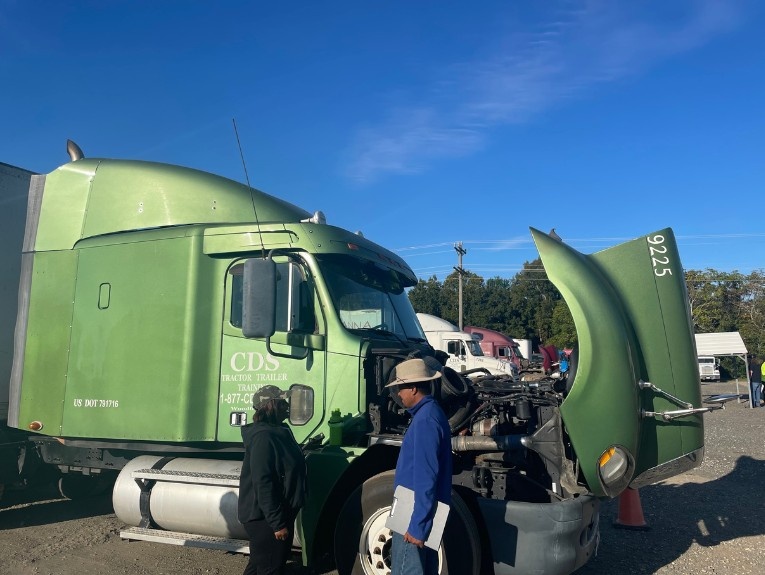
Training is the biggest expense in getting a CDL. In Virginia, tuition for a CDL training program typically runs between $3,500 and $7,000. The exact price depends on the program length, the number of drive hours included, and whether the school trains on automatic or manual transmissions.
Programs are generally split between Class A and Class B training tracks, depending on the type of vehicle a driver plans to operate. Class A training, which covers tractor-trailers, is usually longer and can cost more than Class B training.
Every CDL applicant must also complete Entry-Level Driver Training (ELDT), a federal requirement that took effect in 2022. Most training programs build this requirement into their standard tuition, so it is not usually a separate charge.
State Fees Through the Virginia DMV
Virginia’s government fees for a CDL are lower than in many other states. As of 2026, the costs are:
- Commercial Learner’s Permit (CLP): $3
- CDL license issuance, valid for 8 years: $64
- Endorsements: about $1 per year added to the license
A CLP must be held for at least 14 days before a driver can take the skills test. Virginia does not charge a separate fee for the knowledge test.
Medical and Screening Costs
Before applying for a CLP, every driver needs a DOT physical exam from a certified medical examiner. This exam checks blood pressure, vision, hearing, and general health. Costs typically run $75 to $200, and this is usually paid out of pocket unless an employer or school covers it.
Drug screening is also required and generally costs $30 to $75.
Skills Test Fees
The CDL skills test includes a pre-trip inspection, basic vehicle control check, and an on-road driving portion. Some training schools include this test as part of tuition. If a driver needs to schedule the test through a third-party examiner separately, fees typically range from $100 to $250.
Endorsement Costs
Endorsements let drivers operate specific types of vehicles or haul certain cargo. Most endorsements only add about $1 per year to the license cost in Virginia. The exception is the Hazmat (H) endorsement, which requires a federal TSA background check. That check costs $86.50 and must be renewed every five years.
Full Cost Breakdown
| Expense | Typical Cost |
|---|---|
| CDL training program | $3,500 – $7,000 |
| Commercial Learner’s Permit (CLP) | $3 |
| CDL license issuance (8-year term) | $64 |
| DOT medical exam | $75 – $200 |
| Drug screening | $30 – $75 |
| Skills test (if not included in tuition) | $100 – $250 |
| Endorsements (most types, per year) | About $1 |
| Hazmat endorsement (TSA background check) | $86.50 |
Added together, most drivers spend somewhere between $3,700 and $7,600 to go from no license to a full Virginia CDL, depending on the training path and any endorsements added.
Ways to Lower the Cost
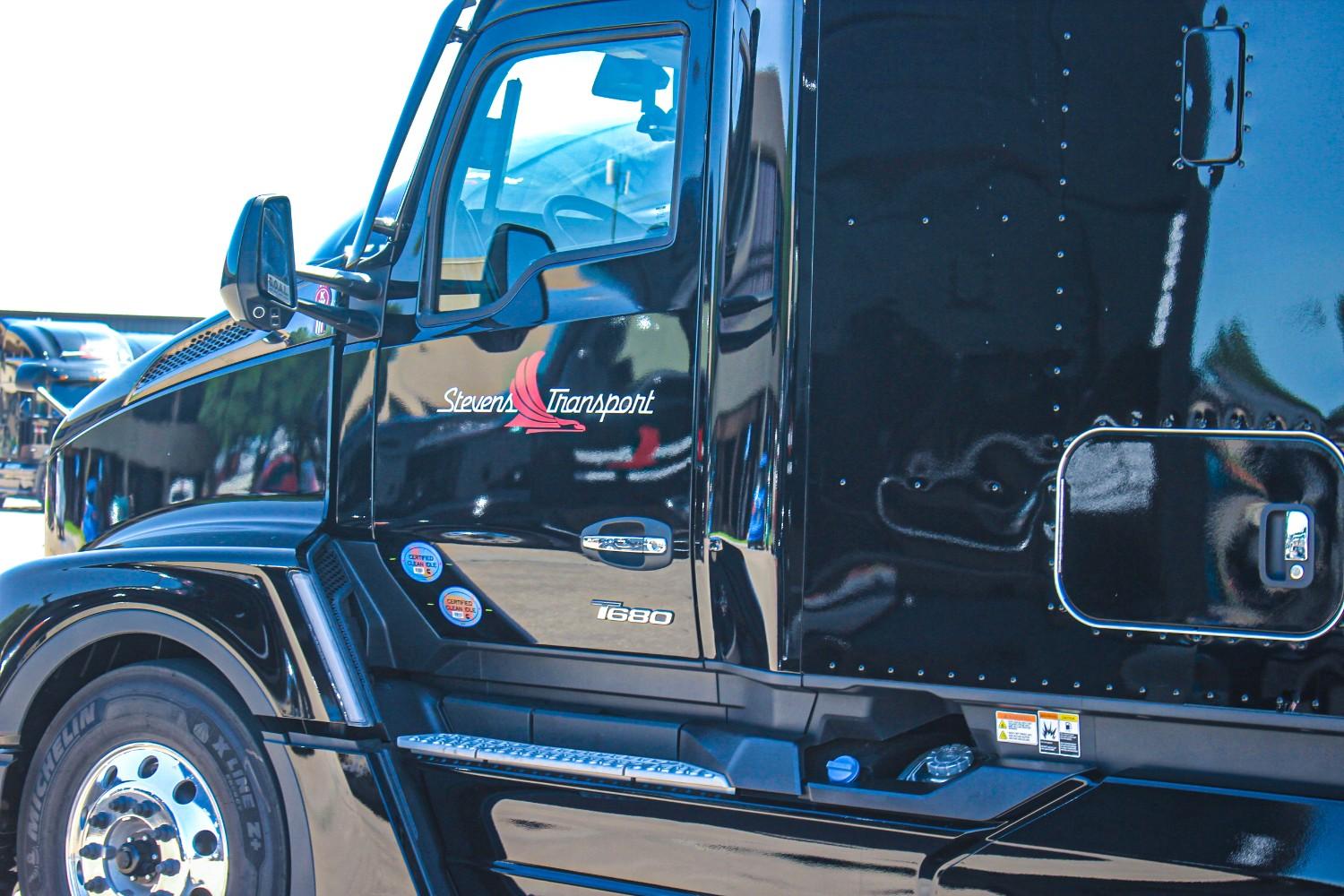
Several options can reduce the amount a driver pays out of pocket. Some carriers, like Stevens Transport, sponsor training in exchange for a work commitment after graduation. Tuition assistance programs may also be available through state workforce grants, veterans’ benefits, or school-specific payment plans.
Frequently Asked Questions
Is a CDL permit required before starting behind-the-wheel training?
Yes. Virginia requires drivers to hold a Commercial Learner’s Permit for at least 14 days before taking the skills test.
How long does a Virginia CDL last before it needs to be renewed?
A standard Virginia CDL is valid for eight years, which is longer than many other states.
Does Virginia charge extra for the CDL knowledge test?
No. The knowledge test fee is included in the CLP application, so there is no separate charge for it.
Is financial aid available for CDL training in Virginia?
Yes, in many cases. Options include state and federal financial aid, employer-sponsored training, and state workforce grants, though eligibility varies by program.
Does a Hazmat endorsement cost more than other endorsements?
Yes. While most endorsements only add about $1 per year, the Hazmat endorsement also requires an $86.50 federal TSA background check.
Will health insurance cover the DOT physical exam?
It depends on the plan. Some health insurance plans cover part or all of the DOT physical, but many drivers pay for it directly since it is not always classified as a standard medical visit.